
The Prepper Insider is reader-supported. When you buy through links on our site, we may earn an affiliate commission.
Getting the right buffer tube is essential to maximizing the performance of your AR-15.
Notably, buffer tubes offer one of the best ways to change your rifle's performance, so they're worth studying even if you aren't currently interested in changing it.
At a Glance: Our Top Picks for AR-15 Buffers
- OUR TOP PICK: Geissele AR-15 Super 42 Buffer Spring/Buffer Combo
- RUNNER-UP: Aero Precision AR15 Rifle Buffer Kit
- BEST AR-15 BUFFERS FOR THE MONEY: ODIN Works AR-15 Adjustable Buffer
Comparison of the Best AR-15 Buffers (Springs And Tubes)
| IMAGE | PRODUCT | |
|---|---|---|
Our Top Pick  |
| View Latest Price → |
 |
| View Latest Price → |
 |
| View Latest Price → |
 |
| View Latest Price → |
 |
| View Latest Price → |
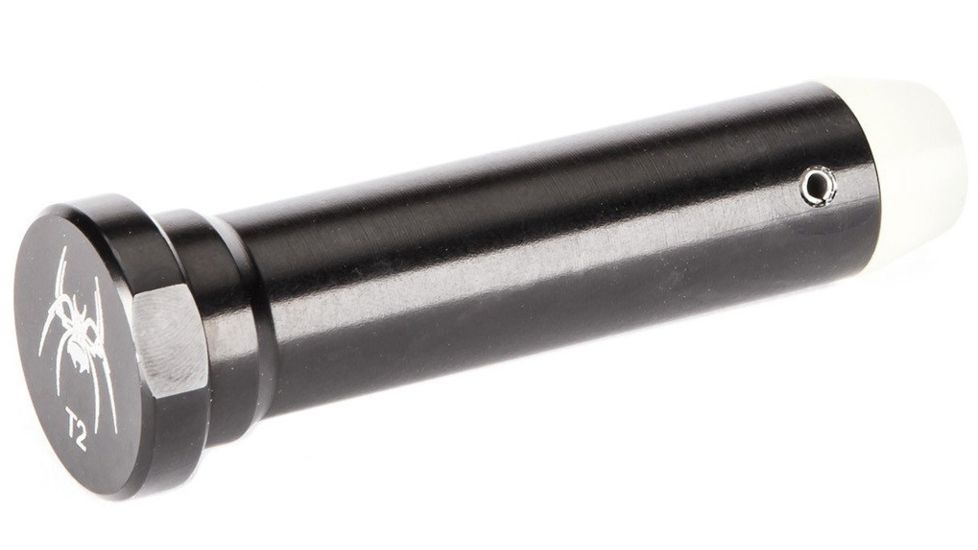 |
| View Latest Price → |
What is a Buffer Tube? What Does a Buffer Tube Do?
A buffer tube is a multipurpose component placed inside of AR-15 rifles, as well as guns with similar basic designs. Its primary purpose is absorbing recoil to minimize the amount felt when you're firing the weapon.
When functioning, a buffer presses back against a spring in the rear of the rifle. This spring absorbs kinetic energy from firing, then bounces the buffer forward again to reset the bolt by pushing it forward. Without this system, all of the recoils would go straight into the user's body, drastically reducing the weapon's overall effectiveness.
The buffer tube itself is the exterior casing that houses the internal buffer and the spring. Most people consider them part of one system, so you may hear people talk about the buffer tube when describing the buffer's action inside the tube.

Geissele AR-15 Super 42 Buffer Spring/Buffer Combo
What Buffer Do I Need For My AR-15?
AR-15s are impressively flexible rifles that can support many sizes and styles of buffer tubes. However, for most users, buffer choices fall into two primary size categories.
Rifle-length buffers are best if you have a fixed stock. These are somewhat longer than other types of buffers, and they also trend a little heavier. Most people prefer getting the heaviest possible buffer that still allows the rifle to work, so this is a popular choice among owners.
Carbine-length buffers are better for AR-15s with collapsible stocks. These are shorter than rifle-length buffers. Many options currently on the market use military specification (Mil-Spec) carbine buffers, so these are somewhat easier to get a hold of compared to rifle-length options.
How to Choose a Buffer
Here are the main things to keep in mind when choosing a buffer for your AR-15.
Weight
Rifle buffers vary in weight from around 3 oz. (with carbine-length systems) to 8.5 oz. Aside from changing your gun's overall weight by a small but significant amount, the weight of the buffer also affects your gun's overall performance.
Heavier buffers take a little longer to move. This means they slow down relatively quickly and have a smoother recoil compared to lighter buffers. Many shooters prefer this because it provides a steadier shooting experience. However, if the buffer is too heavy, it won't cycle as well, and you may experience inconsistent bullet extraction and ejection.

People often start with 3 oz. buffer, then change to a 3.8 oz (also known as a Heavy, or H1, buffer) if they're having problems. Some people call Heavy buffers a diagnostic tool because using them can help determine if you need a heavier buffer in the first place.
H3 buffers, which weigh 5.0 oz to 5.4 oz, are ideal for ARs shooting heavier-caliber bullets.
Spring
Springs are often the least-remembered part of a buffer system, but they do impact its overall performance. Factors like the number of coils and the overall design can affect the reverberations and performance in rapid-fire situations.
Review of the Best AR-15 Buffers (Springs And Tubes)
Here are our top choices for AR-15 buffers. Keep in mind that actual components may vary between products, so make sure you double-check what you're getting.
Best Overall:
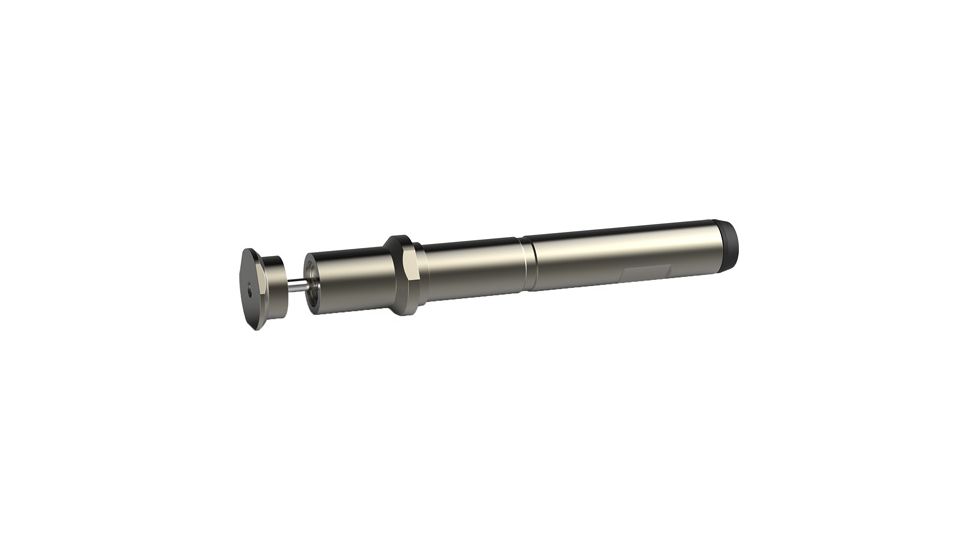
Geissele AR-15 Super 42 Buffer Spring/Buffer Combo

Pros
Cons
What Recent Buyers Report
Buyers almost universally find this to be a great spring system. The buffer itself is frankly an afterthought, as the spring's what does most of the work here. Many buyers report that using this system helps quiet their rifle and makes it feel significantly newer. Only a few buyers have ever reported problems with it.
Why it Stands Out to Us
This system stands out to us because it's significantly better and more durable than most competing products. It uses a genuinely rare design that's based on machine gun technology for high performance, while the consistently high praise from buyers shows that it's not just empty rhetoric.
Of course, the downside is that this product is a little more expensive than most buffer systems. However, the price difference isn't particularly large when you look at a rifle's overall price. The bigger problem is that this spring is only compatible with carbine-length buffers, which means it isn't nearly as viable if you want to use the longer rifle-length instead.
Bottom Line
If you're not sure what spring and buffer system to get, but you have a carbine-length tube, this is the best product to look at. Smart engineering allows this system to do things most of its competitors can't, so it's worth a look before anything else.
Runner-up:
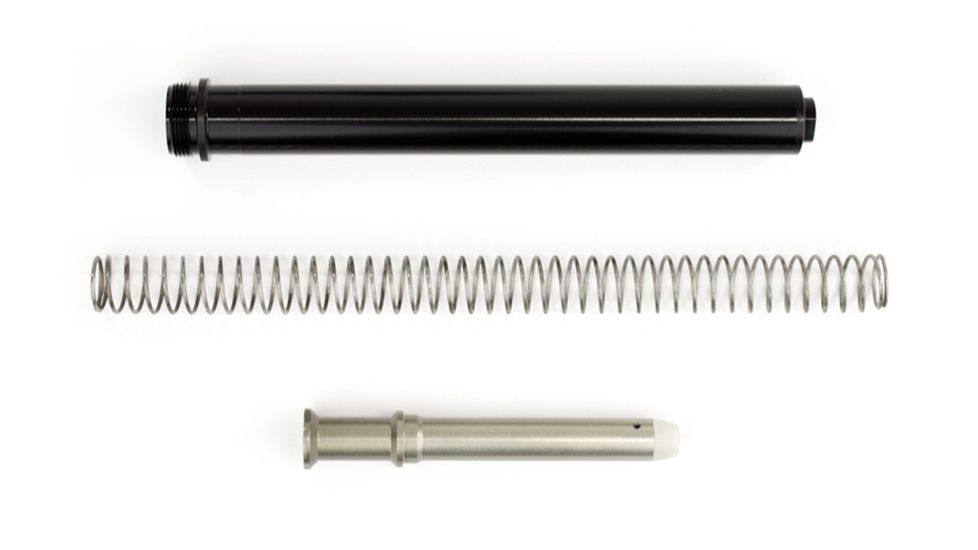
Aero Precision AR15 Rifle Buffer Kit

Pros
Cons
What Recent Buyers Report
Buyers have a lot of praise for this product, with most of them emphasizing the generally high quality of the components and the ease of assembly. However, it's worth noting that this is an item for experienced buyers, so amateurs may have a harder time using it. Buyers also agree that the AR-15's recoil is particularly smooth while using this buffer system.
Why it Stands Out to Us
This product stands out mainly because of the consistent praise from reviewers. At the time we checked, all reviews were extremely positive, which is relatively rare for a product in this price range. We chose this product as our runner-up for two reasons besides the reviews.
First, it's a little cheaper than our top choice. While the best product in a particular category usually has a premium price tag, runner-ups should be more affordable.
Second, this product is available in the other typical length. We decided that if we had a carbine-only buffer for our top choice, the runner-up should fit on other systems.
Bottom Line
While this system isn't quite as good as our best overall choice, it's still a great buffer kit that's suitable for most rifle-length systems. Notably, the fact that it comes with all three primary components makes it ideal for changing your entire system, not just the interior components.
Best AR-15 Buffers for the Money:
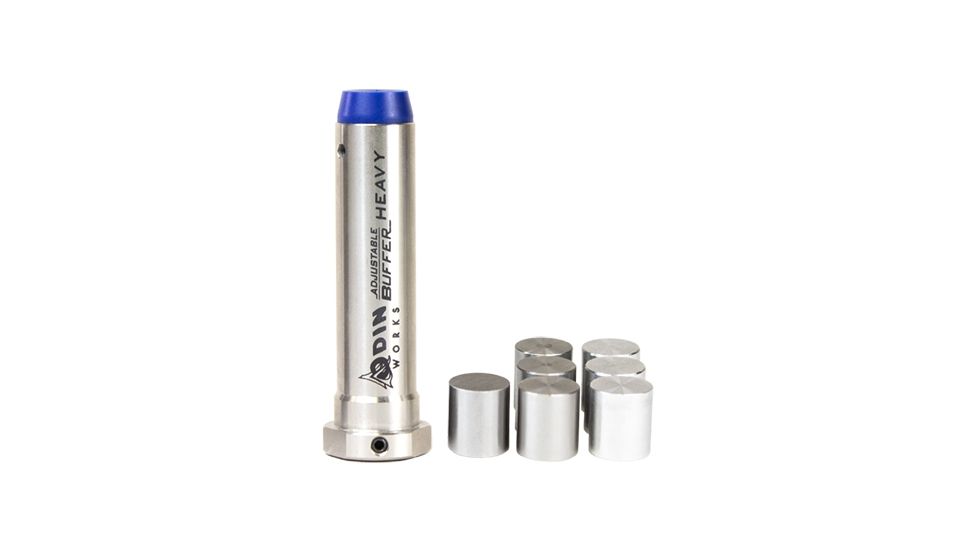
ODIN Works AR-15 Adjustable Buffer

Pros
Cons
What Recent Buyers Report
Buyers generally like the adjustability of this system. Since it's adjustable, it's much like having several buffers of different weights, but without the cost. That makes this an ideal option if you want to change your buffer weight for shooting in different environments.
Why it Stands Out to Us
We like the excellent balance of pricing and flexibility in this buffer, although it's important to remember that this is only a buffer and does not include anything else. Unlike some systems, which have fixed weights, this buffer has weights made of three different materials. This means you can customize the exact weight of the buffer more precisely.
Beyond this buffer's high performance, buyers tend to like it a lot. That's always an important measure for checking the overall quality of a product, and the positive reviews suggest that this buffer lives up to its hype.
Bottom Line
This isn't a great choice if you need a whole buffer system because it only includes the interior buffer. However, if that's the only component you need, we think that this buffer's outstanding flexibility makes it the best value for your money.
Best AR-15 Hydraulic Buffers:
KynSHOT 9mm Hydraulic Buffer

Pros
Cons
What Recent Buyers Report
There aren't as many buyers for premium components like this one, so buyers don't say as much. However, among those present, they agree that this buffer is significantly better at dampening the recoil in 9mm AR-15s. Note that this buffer isn't designed for shooting above 9mm, so it's not appropriate for every rifle.
Why it Stands Out to Us
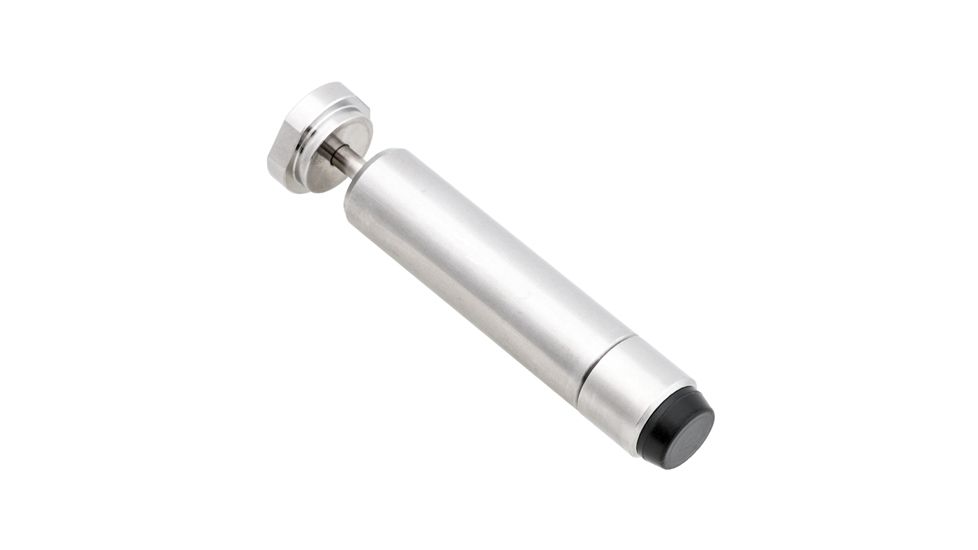
This product stands out as one of the best hydraulic-based buffer systems. For those who aren't familiar with the technology, hydraulic systems are essentially advanced buffers with a first stage for absorbing recoil. This dampens things more than a traditional solid buffer, resulting in an even smoother feeling when you're shooting.
Keep in mind that hydraulic systems like these do not replace the springs inside an AR-15, so you still need to use one of those to ensure your buffer system works as intended. Some people mistake hydraulics as a replacement for springs rather than supplements, which does not work.
Bottom Line
If you're looking for a premium-grade component, it's hard to do better than this hydraulic buffer. This system is more advanced than our best overall choice, but it's also more expensive. However, the sizing can be a deal-breaker, as this component isn't suitable on any caliber above 9mm.
Best AR-15 Recoil Buffers:
KynSHOT Marksman Recoil Buffer

Pros
Cons
What Recent Buyers Report
Buyers broadly agree that this buffer works as advertised. More specifically, it reduces recoil so much more than traditional buffers that many rifles will barely move while firing. That's a huge advantage in competitive and time-based situations, making this buffer worth considering for any serious buyer.
Why it Stands Out to Us
This product stands out to us because of its extensive focus on performance. While it's only appropriate for 5.56/.223 AR-15s, this is quite simply a better product than any traditional buffer and even most of the other things in its price range. The better you are, the more of an impact you're going to feel from this recoil buffer.
That said, it also stands out on the price. This is a higher-end buffer, so you can expect to pay significantly more than you would for a regular or budget-focused buffer. We think it's worth the price, but it is harder to recommend this to everyone because the price difference is so significant.
Bottom Line
Premium components aren't appropriate for every environment, but if you want a high-performing buffer, this is the sort of product to look at. Just remember the sizing information because it's not suitable for AR-15s outside of the 5.56 and .223 range.
Best Heavy Buffers For AR-15:
Spikes Tactical Heavy Tungsten Carbine Buffer

Pros
Cons
What Recent Buyers Report
Buyers like this AR-15 buffer as a competitive option for budget-minded owners. Arguably its most notable feature is the use of powder weights rather than solid bits of metal, which provides a smoother overall experience. Buyers also note the smooth exterior appearance, which stands out among its stainless steel competitors.
Why it Stands Out to Us
We like the way this buffer stands out in a crowded field, offering some genuinely distinct features compared to many other products in its price range. Its weight is tungsten powder, which is softer and won't clack around when the buffer is moving. The anodized aluminum is also resistant to both corrosion and impact damage.
While we don't like this quite as much as some of the other options on this list, the 5.5 oz version is still a solid, Mil-Spec choice that performs well when you're looking to install a heavier buffer system.
Bottom Line
This aluminum/tungsten buffer is a great backup choice if you're looking for a heavy, durable, and practical buffer for your AR-15. Experienced shooters will get more value out of products like these, but reasonably competitive pricing helps it remain viable for buyers.
Comparison Overview
Here are some of the major points of differences between AR-15 buffers.
Carbine vs Rifle Buffer
As discussed above, carbine-length buffers are shorter and are best for when you want to use a collapsible stock. Rifle-length buffers are longer and work best with fixed stocks. Rifle buffers are better overall because they can support heavier systems, but getting the buffer system that matches your shooting system is the most important consideration.
Rifle Length Buffer Tube vs Carbine Length
A carbine system is about 10.5". A rifle system is about 12.75". The exact lengths may vary slightly depending on the manufacturer, but most systems try to hit as close to these numbers as possible.

Pistol Buffer Tube vs Carbine Buffer Tube
Pistol buffer tubes are useful if you're installing a barrel shorter than 16 inches on your AR-15. Some carbine systems are compatible with pistol buffer tubes while others aren't, so make sure to check the product listing when making your part choices.
Commercial vs Mil-Spec Buffer
Mil-spec buffers are, broadly, more popular than commercial-spec buffers. They're also slightly different in size. Mil-spec systems are about 2/100 of an inch smaller than commercial systems, and this is enough to mean that stocks designed for one won't be compatible with the other.
Commercial systems are more affordable but have fewer compatible parts. In general, the market is trending towards mil-spec products, and we recommend buying those.
Receiver Extension vs Buffer Tube
These are the same thing. Most people refer to the exterior casing for the buffer and spring systems as the buffer tube, but it's officially known as a receiver extension.
AR-15 vs AR-15 Buffer
AR-15s are the flexible firearm platform that you can apply an AR-15 buffer system to. Buffers may occasionally be compatible with other weapons, but that’s not an industry standard.
Mid-Length vs Carbine-Length Gas System
Mid-length systems are generally better than carbine-length systems, but they're also noticeably larger. They're particularly viable if you want to use cheaper ammunition.
Most mid-length systems are compatible with the carbine, H, and H2 buffers, but you may need to test the exact combination of components yourself to ensure they work.

Buffer Tube Install
The installation process for buffer tubes and their interior components varies by part, so there's no universal standard for this. Refer to the manufacturer's instructions, or the video below, for a comprehensive overview.
That said, most follow a similar basic procedure, even if the exact details vary slightly. This process is:
- Remove the buffer and the buffer spring from your gun, which you can usually do after splitting the gun into the upper and lower receivers
- Remove the buttstock, which can interfere with changing the tube
- Remove the existing buffer tube; double-check this now to ensure you're replacing it with the right size component
- Replace the components in the reverse order to what we described above
Conclusion
As you can see from our list above, there are many differences in AR-15 buffers, tubes, and springs that may not be apparent to new buyers. Before you buy anything, double-check all of your components' sizing to be sure you're getting the right products. Then, and only then is when you can go shopping.
People Also Ask
Here are some common questions people have about AR-15 buffers and related components.
Do Buffer Springs Make a Difference?
Yes. Buffer springs are an essential component of the overall buffer system, and changing the spring can significantly impact performance.
Does Buffer Tube Length Matter?
Yes. Buffer tube length affects things like which stocks you can attach and what other components will be compatible. Larger tubes tend to reduce recoil more than shorter ones.
Does an AR-15 Need a Buffer Tube?
Yes. Buffer tubes are an essential component of AR-15s, so every complete AR-15 rifle will have one.

What Does a Heavier Buffer Do in an AR-15?
A heavier buffer reduces the amount of recoil you experience while firing your AR-15. This means the gun will move less, and you can fire your second and third shots faster and more accurately.
How to Reduce Recoil on AR-15
There are many ways to reduce recoil on an AR-15. Switching to a heavier buffer or tougher spring can do a lot to reduce recoil, but don't forget to check other components like the stock to see if you can make improvements there.
Can I Put a Rifle Buffer Tube on an AR Pistol?
Yes, it's possible to put a rifle-style buffer onto an AR pistol. However, be careful about installing stocks at the same time. The wrong type of stock can make an AR pistol illegal. Many people prefer using pistol stocks on AR pistols just to be safe. This guide provides some useful information about making a customized AR pistol.
How to Tell if Your Buffer Tube is Mil-Spec
Most parts are labeled, so checking your gun's manual is often enough to be sure. If the part isn't in your gun, or you aren't sure, just measure it with a precision tool. Mil-spec buffers are about 1.14" for their outer diameter at the buttstock end, while commercial tubes are about 1.17" in the same place.
How to Measure Gas Tube Length
The best way to measure gas tube lengths is with a ruler. While products may vary slightly, most use the following sizes:
- Pistol: 4.5"
- Carbine: 7.5"
- Mid-Length: 9.5"
- Rifle-Length: 13"
How Long is a Rifle-Length Gas Tube?
Rifle-length gas tubes are about 13” long.
How Long is a Carbine-Length Gas Tube?
Carbine-length gas tubes are about 7.5” long.
What Size Gas Tube Should I Get For an AR-15 With a 16-Inch Barrel?
Carbine and mid-length gas tubes are the best options for AR-15s with 16-inch barrels.